

Top 100th Powerful Wishes to Celebrate Durga Sasthi
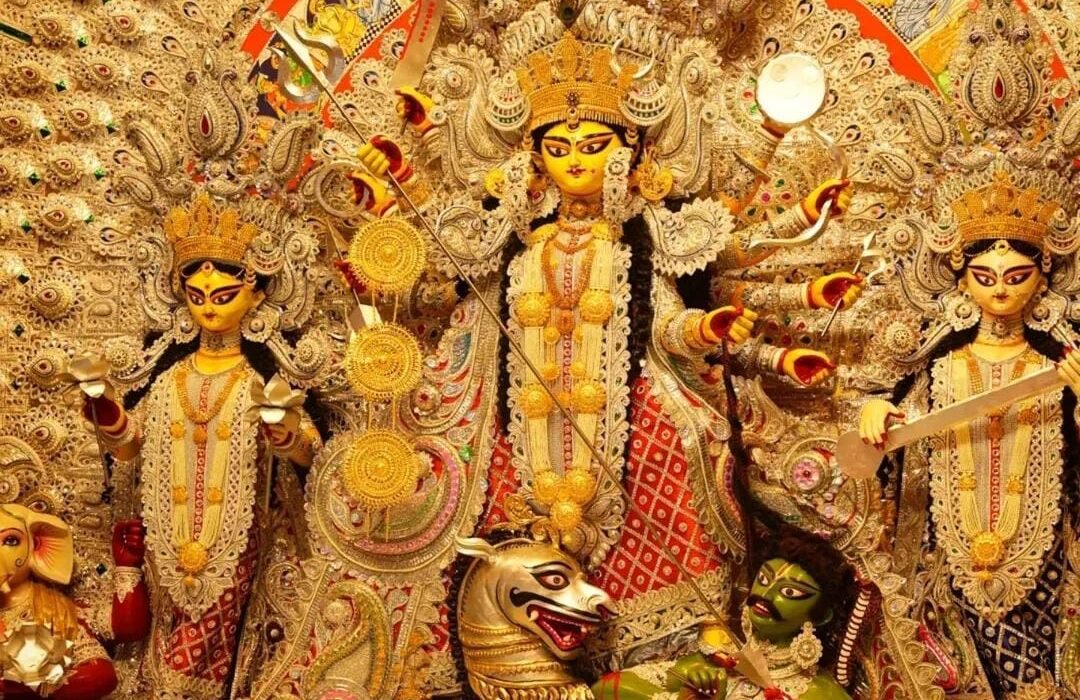
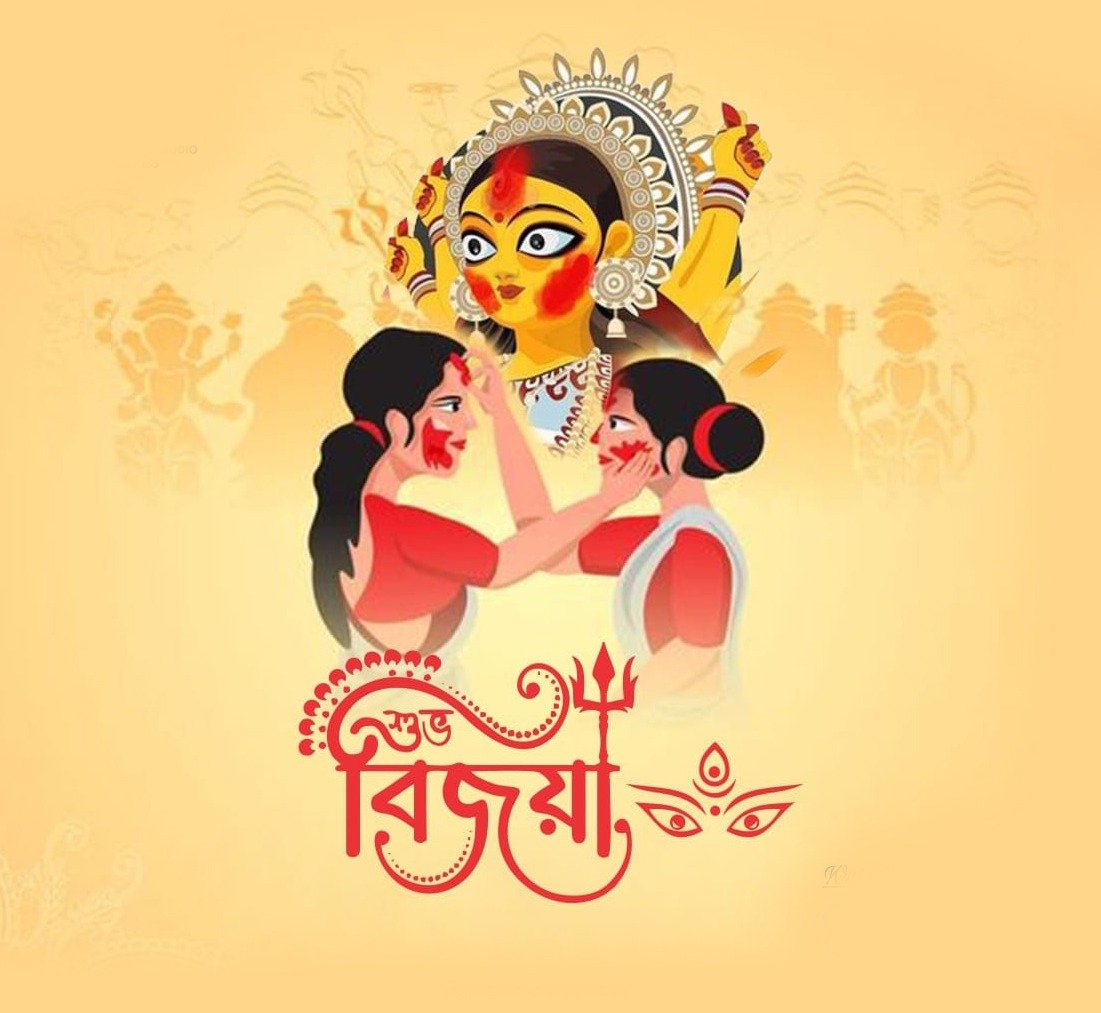
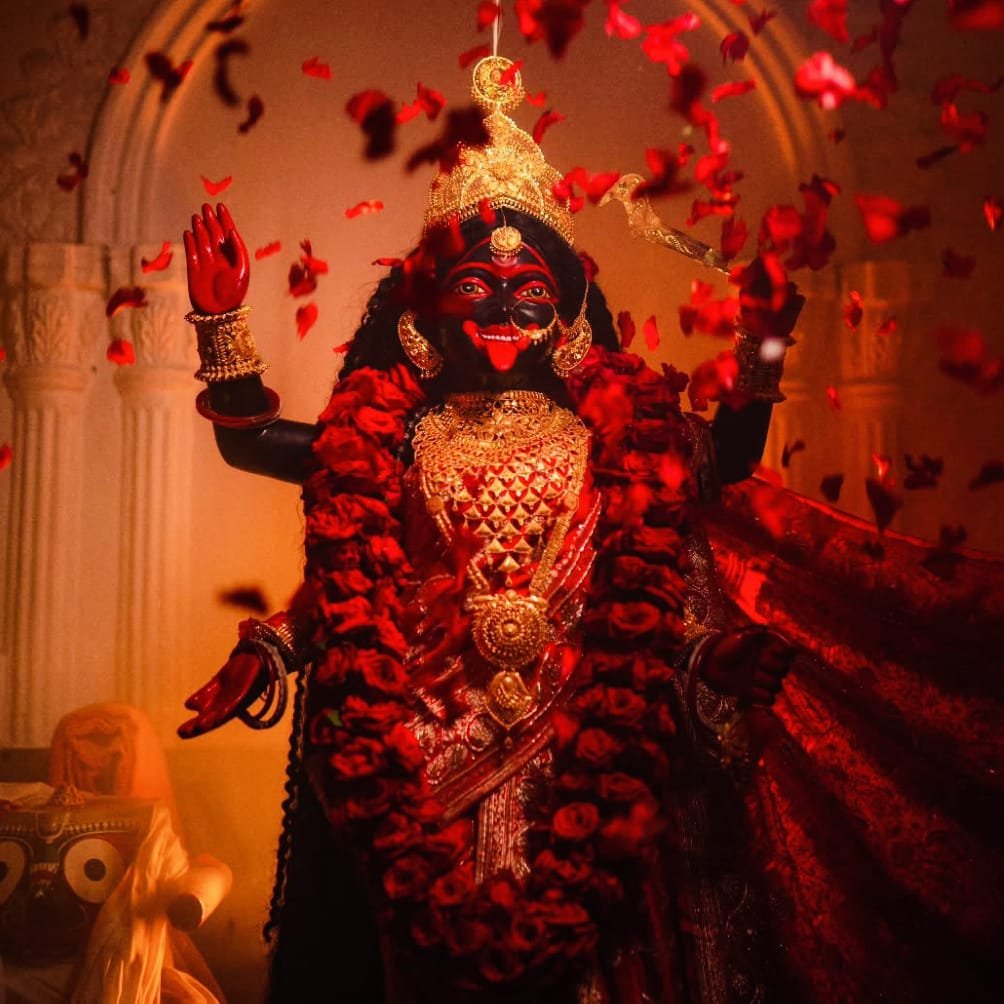
As we celebrate the divine power and grace of Goddess Durga through the sacred recitation of Durga Saptashati, may our hearts be filled with devotion, strength, and courage. These top 100 wishes are a humble offering to the fierce yet compassionate Mother, who destroys darkness and brings light, peace, and prosperity into our lives. May her blessings protect us from all evil, guide us through challenges, and inspire us to live with righteousness and compassion. Let this sacred time be a reminder of the power within each of us and the limitless love of the Divine Mother. May your prayers be answered, your spirit be uplifted, and your life be showered with her divine grace.
🪔 1. Traditional Blessings for Durga Sasthi
- “May Maa Durga bless you with strength and courage.” 🙏
- “Let the divine light of Durga illuminate your life.” 🕯️
- “Wishing you a spiritually uplifting Durga Sasthi.” 🌺
- “Invoke the power of Shakti within you today.” 💪
- “May Durga Maa remove all your obstacles.” 🚫
- “Celebrate the divine feminine in all her glory.” 👑
- “Let peace and prosperity prevail in your life.” 🌾
- “Maa Durga’s blessings are with you always.” 🛡️
- “Rise above with Maa’s divine energy.” 🕊️
- “On this Sasthi, may you be empowered and protected.” 🧘
🌼 2. Joyful & Festive Messages
- “Happy Durga Sasthi! Let the celebrations begin!” 🎉
- “Dance to the beats of devotion this Sasthi!” 🥁
- “Wishing you colorful moments and divine joy!” 🎨
- “Feel the rhythm of faith in your soul.” 💃
- “Smile, it’s time to welcome Maa Durga!” 😄
- “Let’s celebrate with love, light, and laughter!” 🕯️
- “Wishing you endless joy and festive delight!” 🥳
- “May your heart be as light as the diyas.” 🪔
- “Celebrate tradition, embrace happiness!” 🎊
- “Let the spirit of Sasthi fill your home.” 🏠
💪 3. Empowerment & Strength
- “Channel your inner Durga this Sasthi!” ⚔️
- “Be fierce, be bold, be divine.” 🔥
- “Maa Durga inspires courage in every step.” 🏹
- “This Sasthi, unleash your power!” 💥
- “With Durga’s strength, nothing is impossible.” 🚀
- “Let her power guide your journey.” 🌄
- “Be the warrior in your own story.” 🛡️
- “Fight fear with faith and strength.” ✊
- “Let her roar echo in your soul.” 🐯
- “Celebrate your divine feminine strength!” 👸
🕊️ 4. Peace & Prosperity
- “Wishing you a peaceful and prosperous Sasthi.” 🌸
- “May you bloom with blessings this Durga Puja.” 🌷
- “Let harmony and happiness fill your life.” 🤍
- “Durga Maa’s love brings abundance to your home.” 💰
- “Peace begins with prayer and devotion.” 🧘
- “Sow seeds of peace this festive season.” 🌱
- “Balance your heart with divine energy.” ⚖️
- “Let your soul find serenity in her grace.” ☮️
- “Maa’s blessings bring calm to every storm.” 🌧️➡️🌞
- “Feel the peace that comes with devotion.” 🛐
🏠 5. Family & Togetherness
- “May this Sasthi bring your family closer.” 👨👩👧👦
- “Celebrate the bond of love and tradition.” 💞
- “Together under Maa’s blessings, we shine.” 🌟
- “Family prayers make festivals special.” 📿
- “May your home be filled with divine joy.” 🏡
- “Durga Puja is best celebrated together!” 🤗
- “Love, laughter, and Maa’s grace – perfect combo!” 😍
- “Let devotion unite us all.” 🔗
- “Cherish moments with your loved ones.” 📸
- “Where there is family, there is Maa’s blessing.” 🙌
🕉️✨ মহাষষ্ঠী শুভেচ্ছা বার্তা | Durga Sashthi Wishes in Bengali
- 🌺 “মা দুর্গার আশীর্বাদে ভরে উঠুক তোমার জীবন সুখ, শান্তি আর আনন্দে। শুভ মহাষষ্ঠী!” 🙏
- 🌸 “আজ মহাষষ্ঠী… জেগে উঠুক শক্তি, জাগ্রত হোক বিশ্বাস। শুভ মহাষষ্ঠী!” 🕊️
- 🌼 “দুর্গাপুজোর শুরু আজ থেকেই, শুভ মহাষষ্ঠীর অনেক ভালোবাসা নিও!” 💐
- 🕉️ “মা আসছেন, বেজে উঠুক কাঁসর-ঘণ্টা, মুছে যাক সকল অন্ধকার। শুভ মহাষষ্ঠী!” 🔔
- 🌷 “শুভ মহাষষ্ঠী! এই পবিত্র দিনে মা দুর্গা দূর করুক সব দুঃখ ও ক্লেশ।” 🪔
- 🌺 “আনন্দে ভরে উঠুক এই দুর্গোৎসব, শুভ মহাষষ্ঠী!” 🎉
- 🙏 “শক্তির উৎস মা দুর্গার চরণে প্রণাম জানাই, আজকের এই মহাষষ্ঠীতে।” 🌸
- 🌼 “শুরু হলো দুর্গোৎসব, শুভ ষষ্ঠীর শুভেচ্ছা রইলো!” 🎊
- 🕉️ “ভক্তিতে জেগে উঠুক হৃদয়, আলোয় ভরে উঠুক মন। শুভ মহাষষ্ঠী!” ✨
- 🪔 “শুভ মহাষষ্ঠী! তোমার জীবনে নেমে আসুক আনন্দ, ভালোবাসা ও সাফল্য।” 🌸
- 🌹 “মা দুর্গা আসছেন! কাশফুলে ভরে উঠুক মন, শুভ মহাষষ্ঠী!” 🍃
- 🌺 “মহাষষ্ঠীতে শুরু হোক নতুন আশার, নতুন আলোয় পথচলা।” 🌅
- 🎉 “দুর্গাপুজো মানেই হৃদয় জুড়ে খুশি! শুভ ষষ্ঠী!” 🥰
- 🕊️ “মা দুর্গার আগমনে ভরে উঠুক জীবন আনন্দে। শুভ মহাষষ্ঠী!” 🙌
- 🪔 “আজ থেকে শুরু আনন্দযাত্রা, শুভ মহাষষ্ঠী!” 💫
- 🕉️ “শুভ ষষ্ঠী! মা দুর্গা তোমার জীবনে আশীর্বাদের বর্ষণ করুন।” 🌧️
- 🌸 “মা দুর্গা আসছেন, তাঁর কৃপায় আলো ছড়াক চারিদিকে। শুভ মহাষষ্ঠী!” 🌟
- 🌺 “দেবী দূর্গার আগমনে মুছে যাক সব অশুভ শক্তি। শুভ ষষ্ঠী!” 🔱
- 🌼 “নতুন জামা, নতুন হাসি, নতুন আনন্দ — আজ মহাষষ্ঠী!” 🥳
- 🎊 “শুভ মহাষষ্ঠী! দুর্গাপুজোর শুভ সূচনা হোক হৃদয়ে।” ❤️
- 🪔 “ভক্তি আর প্রেমে পূর্ণ হোক তোমার ষষ্ঠীর দিন।” 🌺
- 🌹 “মা দুর্গা দূর করুক সব দুঃখ! শুভ মহাষষ্ঠী!” 🙏
- 🕊️ “দেবীর আগমনে আনন্দ ছড়িয়ে পড়ুক চারপাশে। শুভ ষষ্ঠী!” 🌸
- 🌷 “শক্তি, শান্তি ও সম্প্রীতির প্রতীক মা দুর্গার চরণে প্রণাম। শুভ মহাষষ্ঠী!” 🛕
- ✨ “আজকের এই শুভ দিনে মা দুর্গা দিক আপন আশীর্বাদ। শুভ ষষ্ঠী!” 🎁
- ঠিক আছে, আমি আরও কিছু মহাষষ্ঠী (Durga Sashthi / ষষ্ঠী)
- 🌸 “মহাষষ্ঠীর প্রভাতে জেগে উঠুক আশা, ভরে উঠুক হৃদয় আনন্দে। শুভ মহাষষ্ঠী!”
- 🕉️ “মা দুর্গার নামেই শুরু হোক নতুন অধ্যায় — শুভ ষষ্ঠী!”
- 🌺 “ঐ কাশফুলের ঘ্রাণে আসে মা দুর্গার সুখবর — শুভ মহাষষ্ঠী!”
- 🪔 “আলোর প্রদীপ হাতে, ভালোবাসা হৃদয়ে — শুভ মহাষষ্ঠী!”
- 🌼 “মা আসছেন, তাঁর পায়ে ছড়িয়ে দাও প্রেমের কমলাশ্রু — শুভ মহাষষ্ঠী!”
- 🌹 “দেবীর আগমনে মুছে যাক মনেকাড়া সব দুঃখ — শুভ মহাষষ্ঠী!”
- 🕊️ “শুভ মহাষষ্ঠী! মা দুর্গার দয়া তোমার জীবনে অনাবিল সুখ আনুক।”
- 🌷 “আজকের দিনটা হোক আলোতে, ভক্তিতে এবং আশীর্বাদে ভরা — শুভ ষষ্ঠী!”
- 🌟 “মা আসছেন হাতে শঙ্খ ও ধ্বনি — ঘর ভরে উঠুক আনন্দে। শুভ মহাষষ্ঠী!”
- 🪔 “শুভ মহাষষ্ঠী! দেবীর চরণে বলি প্রণাম, থাকুক শান্তি ও ভালোবাসা চিরকাল।”
- 🌸 “মা দুর্গার কৃপায় কাটুক প্রতিটি দিন — শুভ ষষ্ঠী!”
- 🕉️ “ঐ শঙ্খধ্বনিতে ভেসে আসুক আনন্দময় সুর — শুভ মহাষষ্ঠী!”
- 🌺 “শুভ মহাষষ্ঠী! আজ থেকে শুরু হোক দেবীর রাজকীয় আগমন।”
- 🪔 “আলোর ঝলকানিতে ভরে উঠুক মন — শুভ মহাষষ্ঠী!”
- 🌼 “মা আসছেন, দুঃখ ভুলে থাকুন — শুভ ষষ্ঠী!”
- 🌹 “ভক্তি আর প্রেমে পূর্ণ হোক আজ — শুভ মহাষষ্ঠী!”
- 🕊️ “মা দুর্গার করুণাসাগরে ডুবদিন — শুভ মহাষষ্ঠী!”
- 🌷 “শুভ মহাষষ্ঠী! জীবনে আসুক নতুন সূর্যোদয়।”
- 🌟 “দেবীর আগমনে জেগে উঠুক হৃদয় — শুভ ষষ্ঠী!”
- 🪔 “শুভ মহাষষ্ঠী! শক্তি, ধৈর্য ও ভালোবাসা দিক মা তোমায়।”
- 🌸 “মহাষষ্ঠীর সন্ধ্যায় মাতুক হৃদয় — শুভ দিন!”
- 🕉️ “মা আসছেন ধীরে ধীরে, খোলো হৃদয় — শুভ ষষ্ঠী!”
- 🌺 “দেবীর নামেই ভালোবাসা ও শান্তি বর্ষিত হোক — শুভ মহাষষ্ঠী!”
- 🪔 “শুভ মহাষষ্ঠী! আজকের দিন হোক পবিত্র ও আনন্দময়।”
- 🌼 “মা দুর্গার আগমনে ভরে উঠুক চারদিকে ভালোবাসা।”
- 🌹 “শুভ মহাষষ্ঠী! দুঃখ হোক মলিন, সুখ হোক সজল।”
- 🕊️ “মা আসবেন, সমস্ত অশুভতা দূর হবে — শুভ ষষ্ঠী!”
- 🌷 “ভক্তি ও কৃপা মিলে জ্বেলে দাও জীবনের প্রদীপ — শুভ মহাষষ্ঠী!”
- 🌟 “শুভ মহাষষ্ঠী! আজ দোলাপাত পাবে জীবনের অরণ্য।”
- 🪔 “মা করুণার সাগরে তোমায় ভাসাবে — শুভ ষষ্ঠী!”
- 🌸 “শুভ মহাষষ্ঠী! প্রতিটি মুহূর্তে থাকুক তার আশীর্বাদ।”
- 🕉️ “মা আসছেন, শান্তি ও সুখ রোপণ করতে — শুভ ষষ্ঠী!”
- 🌺 “ভালোবাসার ফুলে ভরে উঠুক হৃদয় — শুভ মহাষষ্ঠী!”
- 🪔 “শুভ মহাষষ্ঠী! আজ থেকে শুরু হোক নতুন আশার যাত্রা।”
- 🌼 “মা দুর্গার কৃপায় হোক জীবন উজ্জ্বল — শুভ ষষ্ঠী!”
- 🌹 “শুভ মহাষষ্ঠী! দুঃখদের গোপনে হারিয়ে যাক।”
- 🕊️ “মা আসছেন, আলো ছড়িয়ে দাও চারদিকে — শুভ ষষ্ঠী!”
- 🌷 “ভক্তি আর বিশ্বাসে শক্তি খুঁজে নাও — শুভ মহাষষ্ঠী!”
- 🌟 “শুভ মহাষষ্ঠী! আজকে হোক হৃদয় জেগে ওঠার দিন।”
- 🪔 “মা করুণার বাতি তোমার পথ আলোকিত করুক — শুভ মহাষষ্ঠী!”
- 🌺 “শুভ মহাষষ্ঠী! মা দুর্গার কৃপায় ভরে উঠুক সব মন।”
- 🕉️ “আজ থেকে শুরু হোক ভক্তি ও উৎসবের যাত্রা — শুভ মহাষষ্ঠী!”
- 🌸 “মা আসছেন ধীরে ধীরে, তাঁর আলো ছড়িয়ে দাও চারদিকে — শুভ ষষ্ঠী!”
- 🪔 “শুভ মহাষষ্ঠী! দুঃখ ভুলে হাসি বয়ে আনুক দিন।”
- 🌼 “দেবীর আগমনে জাগুক হৃদয় — শুভ মহাষষ্ঠী!”
- 🌹 “মা দুর্গার চরণে প্রণাম, শুভ মহাষষ্ঠী!”
- 🕊️ “শান্তি, শক্তি ও ভালোবাসা দিক মা দুর্গার করুণা — শুভ ষষ্ঠী!”
- 🌷 “আলোর প্রদীপ হাতে, হৃদয়ে বিশ্বাস — শুভ মহাষষ্ঠী!”
- 🌟 “শুভ মহাষষ্ঠী! আজ শুরু হোক নতুন আশাবিহ্বল অধ্যায়।”
- 🪔 “মা আসছেন, অন্ধকার ভেঙে — শুভ ষষ্ঠী!”
- 🌺 “মহাষষ্ঠীর প্রভাতে ভেসে আসুক দেবীর সুর — শুভ আজকের দিন।”
- 🕉️ “বিশ্বাস আর ভক্তিতে মুড়ে দিন, শুভ মহাষষ্ঠী!”
- 🌸 “মা দুর্গার করুণার ছোঁয়া দিক হৃদয়ে — শুভ ষষ্ঠী!”
- 🪔 “শুভ মহাষষ্ঠী! আজ দাও নিজের ভালোবাসা, পায় নিয়াও তাঁর আশীর্বাদ।”
- 🌼 “দেবীর আগমনে হোক জীবন আলোকিত — শুভ মহাষষ্ঠী!”
- 🌹 “শুভ মহাষষ্ঠী! আজকে দিন হোক মহিমায় ভরা।”
- 🕊️ “মা আসছেন, আশীর্বাদ আনছেন — শুভ ষষ্ঠী!”
- 🌷 “ভক্তি ও বিশ্বাস দিয়ে সাজাও হৃদয় — শুভ মহাষষ্ঠী!”
- 🌟 “শুভ মহাষষ্ঠী! সুখ, শান্তি ও সমৃদ্ধি থাকুক চিরকাল।”
- 🪔 “মা দুর্গার কৃপায় ভরে উঠুক সমস্ত জীবন — শুভ ষষ্ঠী!”
Durga Sasthe: The Divine Warrior and Protector – A Comprehensive Guide
Durga Sasthe, also popularly known as Lord Ayyappa, is one of the most revered deities in South India, especially in the states of Kerala and Tamil Nadu. He is regarded as the embodiment of divine power, protection, and righteousness, and his worship draws millions of devotees every year. In this blog, we will explore the origins, mythology, rituals, and spiritual significance of Durga Sasthe.
Who is Durga Sasthe?
Durga Sasthe is a unique deity whose identity is closely tied to Lord Ayyappa. The name “Durga Sasthe” can be translated as “The Lord (Sastha) who embodies the power of Durga.” Sastha is a term that denotes a guardian or teacher. According to mythology, Durga Sasthe is the son of Lord Shiva and Goddess Mohini (an incarnation of Lord Vishnu). This divine parentage symbolizes the union of Shiva’s ascetic power with Vishnu’s preservation and compassion, making Durga Sasthe a deity of immense strength and benevolence.
Mythological Origins
The story of Durga Sasthe begins with the cosmic struggle between good and evil. It is said that a demon named Mahishasura was wreaking havoc in the universe. The gods appealed to Lord Vishnu and Lord Shiva for help. Vishnu took the form of Mohini, an enchantress, and Shiva blessed the union. The offspring was Durga Sasthe, destined to defeat evil and restore cosmic balance.
One of the most famous legends involves the defeat of the demon Mahishi (a buffalo demoness), who was terrorizing the gods. Durga Sasthe, with the blessings of Goddess Durga and Lord Shiva, vanquished Mahishi, liberating the world from her tyranny.
The Iconography of Durga Sasthe
Durga Sasthe is usually depicted as a youthful, calm, and meditative deity sitting in a yogic posture. He is often shown with a bow and arrow or a sword, symbolizing his readiness to protect his devotees. Unlike many fierce depictions of deities, Durga Sasthe represents the perfect balance of power and peace.
Worship and Rituals
The worship of Durga Sasthe has deep spiritual meaning. Devotees undergo strict disciplines and austerities before visiting temples dedicated to him. The most famous shrine is the Sabarimala temple in Kerala, which attracts millions during the pilgrimage season.
The Sabarimala Pilgrimage
The Sabarimala pilgrimage is not just a physical journey but a spiritual cleansing process. Devotees observe a 41-day Vratham (penance), which involves celibacy, abstaining from alcohol and meat, and wearing black or blue clothes. This period teaches self-control, discipline, and detachment from worldly desires.
The pilgrims carry the “Irumudi” (a sacred bundle) on their heads containing offerings for the deity. The climb to the Sabarimala shrine through dense forests and challenging terrain is a test of faith and endurance.
Festivals Celebrating Durga Sasthe
Mandala Pooja and Makaravilakku
The Mandala Pooja is a 41-day festival starting in mid-November and ending in late December or early January. It marks the start of the pilgrimage season. The culmination of this season is the Makaravilakku festival, celebrated on January 14th or 15th, where a celestial light (believed to be divine) appears on the hilltop, symbolizing the presence of Durga Sasthe.
Devotees flock to witness the light, participate in prayers, and celebrate the victory of good over evil.
Other Regional Festivals
In Tamil Nadu and parts of Kerala, Durga Sasthe is also worshipped during local temple festivals. These occasions often involve elaborate rituals, music, dance, and community feasts, strengthening social bonds among devotees.
Spiritual Significance
Durga Sasthe is not just a protector; he represents the victory of dharma (righteousness) over adharma (evil). His worship encourages values such as courage, discipline, and compassion. Devotees believe that praying to Durga Sasthe can help overcome fears, ailments, and obstacles in life.
The rigorous nature of his worship highlights the idea that spiritual progress requires effort and perseverance. The pilgrimage to Sabarimala, for example, is a metaphor for the journey to self-realization.
Durga Sasthe in Modern Times
While rooted in ancient tradition, the worship of Durga Sasthe continues to thrive today. Temples dedicated to him have spread beyond South India, reaching diasporas worldwide. The stories and rituals adapt but the core message remains—faith, discipline, and protection.
Conclusion
Durga Sasthe stands as a symbol of divine strength and spiritual purity. His story inspires millions to pursue a path of righteousness and inner peace. Whether through pilgrimage, prayer, or festival, connecting with Durga Sasthe is a deeply enriching experience that transcends time.
If you ever get a chance to visit Sabarimala or witness the Mandala festival, you’ll see firsthand the devotion and faith that surrounds this remarkable deity.